
Communities across Scotland are carrying the weight of recent tragedies. The conclusion of recent trials involving the deaths of young people in Scotland has left a heavy, aching silence in those communities. When tragedies like these happen, any attempt to make sense of them feels almost impossible. My heart is with their families and friends. There are no words that can fill the void they are feeling. As many of their families reminded us after sentencing, no verdict can ever bring back those who were lost to such senseless, heartbreaking violence. But they also remind us why prevention matters – and why the work to understand, intervene early and change what happens next must continue.
In times like these, I find myself holding two truths at once.
On one hand, as we have heard repeatedly in Scotland, the data tells us that, objectively, things are much better than they were just a couple of decades ago. It’s important to recognise that young people are the ones who have been leading that charge. They are more conscious, more connected, and more active in building a better, safer world than the generations before them. That progress is real, and it matters.
But then, there is the other truth. The one that hurts more. None of those positive trends bring back the people we’ve lost, and even if the numbers are better, it doesn’t always feel like it. Violence has become so much more “in our faces.” We’re living in a time where tragedy doesn’t just stay in the local news; it floods our social media feeds and stares back at us from our phones all day long. We are exposed to the raw pain and the headlines in a way that makes the world feel incredibly volatile, regardless of what the statistics say. One viral video can outweigh a thousand effective prevention interventions in the public eye.
It is a strange, heavy place to be, knowing that progress is being made, while simultaneously hearing the details of tragedies, and feeling as though our world is more fragile and dangerous than ever.
Last week, we came together for Prevention Week, a week-long Police Scotland-led campaign designed to highlight the important work being done in the violence prevention space, with a particular focus on children and young people. It reminds us of the importance of the work being done every day to prevent violence and create safer futures for children and young people.
Prevention work asks us to hold two things as true at the same time. We can acknowledge the reality and impact of violence, while believing that things can be different. We can recognise the challenges faced by children and young people, while holding hope for what is possible when we intervene early, work together and create the conditions in which everyone can thrive.
This week is an opportunity to shine a light on the people, partnerships and approaches making that work possible, and to reflect on why prevention matters. Because while we cannot change what has already happened, we can influence what happens next.
So, where do we go from here? We don’t need to look for magic answers, because we already know what works. We’ve seen it time and again. Real change comes from investing in young people before they reach crisis point. It comes from having reliable, warm, and consistent adults who show up day after day, not just when things go wrong. It comes from creating physical, safe spaces where kids can just be kids, and from making sure that community programs are funded properly so they don’t have to fight to keep their doors open. It comes from social and emotional learning in the early years. It happens when the physical spaces in which people grow up are cherished and looked after. It happens when we ask, ‘what happened to you’ rather than ‘what’s wrong with you’ and work together, as services, to make a difference. It also comes from recognising that they are children, even the 6ft2 16-year-old and all the vulnerabilities that it comes with. We are the custodians of the future that the kids will inherit.
Today, perhaps more than ever, we need to resist the temptation to let our response be driven solely by shock, fear or the latest headline. Those emotions are understandable, but they can pull us towards quick fixes rather than lasting change. The greatest tribute we can pay to the young people we’ve lost is to stay committed to the evidence, to invest in prevention, and to keep building the communities where fewer families have to experience this kind of grief in the future.
As we have these conversations, we must resist the urge to demonise young people or entire communities. Fear rarely inspires lasting change; hope, compassion and collective responsibility do. We should be talking about violence in ways that mobilise people to act, not simply leave them feeling frightened or powerless.
We must stop looking at prevention as a series of programmes that look to fix children, but as a reshaping of how we treat children and each other. We know the formula for a safer, more supportive future; we just need the courage and the collective heart to put it into action.
We have said it for twenty years: violence is preventable, not inevitable. A Scotland free from violence is possible. We can hold these two truths at the same time: we can grieve for every life lost while recognising the progress that has been made. Holding both truths doesn’t weaken our resolve, it strengthens it. It reminds us why we must remain committed to building the Scotland that all of us want to see.
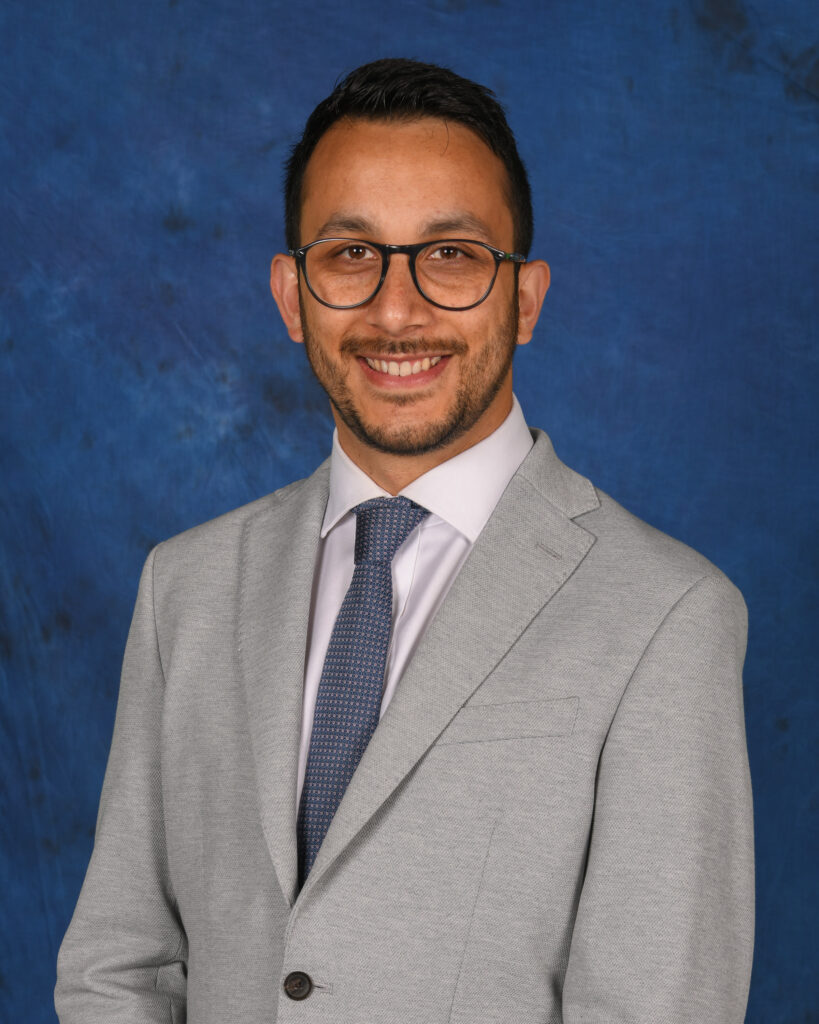
By Jimmy Paul, Head of the Scottish Violence Reduction Unit