
We can build a Scotland where women and girls are safe and valued, and where boys can become the best of themselves.
This month, we’ve had two important moments: International Women’s Day and Mother’s Day. Both are opportunities to celebrate the women and girls in our lives, but they should also prompt us to be honest about the challenges they face across Scotland.
From persistent gender pay gaps, to high levels of gender‑based violence, to the everyday sexism that shapes girls’ choices and confidence, we have a long way to go in creating a country where women and girls are truly safe, valued and equal. Marking these days is not enough – they must be a rallying point for change.
In the same month, we’ve also seen the release of Louis Theroux’s documentary on the “manosphere”. He approaches people with his usual curiosity, but the insights are devastating. We see echo chambers where women are dehumanised, young men are encouraged to see themselves as victims of feminism, and slurs like “soy boy gimps” are thrown around as a twisted badge of honour.
It shows how the manosphere draws on scientific falsehoods, conspiracy theories, antisemitism, and attempts to rewrite history to fit a narrow, angry worldview. Crucially, this content is no longer hidden in dark corners of the internet, it is being pushed aggressively into the feeds of boys and young men still working out who they are.
Some of the views are chilling: women framed as objects for male status, consent minimised or mocked, loneliness and rejection repackaged into resentment and entitlement, and violence trivialised.
Young men are told women are the enemy, that empathy is weakness, and that dominance is the only route to respect. It is a distortion of masculinity that strips out care, curiosity and vulnerability, replacing them with a brittle performance of control.
Let’s be clear: boys and men are not born misogynistic or violent. These behaviours are learned, and reinforced by what we see, hear and reward at home, in school, in workplaces, and increasingly, on social media.
The figures in the documentary are opportunists who have exploited gaps in how we talk to boys and men about identity, purpose and pain, and filling them with harmful messages for financial gain. Social media companies are still doing far too little to stem this tide.
These messages resonate because some young people have low self-esteem, feel left behind, or crave belonging. But as Richard Reeves argues in his book Of Boys and Men, and as he explained at our Scottish Violence Reduction Unit conference in February, the patriarchy isn’t working for boys and men either. A system that tells men never to show emotion, never to ask for help, and to measure their worth solely through dominance is a system that is failing them.
So today, we face a choice. We can stand back and watch boys and men being pulled into this cycle, to the detriment of women and girls, or we can choose to lift them up. Helping boys and men grow into kind, confident, emotionally literate adults benefits us all.
The manosphere tells men their worth lies in status – being rich, powerful and dominant. Scotland can offer a different story: that every boy and man has intrinsic value, not because of their bank balance or job title, but because they are human and capable of love, courage and contribution.
One of the saddest aspects of the Theroux documentary is the backstory of the men involved. Many have experienced violence, absence or emotional distance from their fathers.
Their harsh version of masculinity is not strength – it is a coping mechanism; a shield built in response to hurt. If we only condemn the behaviour and never address the wound underneath, we miss the chance for real change.
In Scotland, we know change is possible. We can prevent harm when we invest in stable relationships, compassionate services, early support and meaningful opportunities for young people. We can offer boys and men role models who show that strength and gentleness, ambition and kindness, bravery and vulnerability can coexist.
At the Scottish Violence Reduction Unit, we see the difference that one trusted adult, one honest conversation, or one chance to reset a life trajectory can make. That’s why we’ve launched a new social media campaign, highlighting the role adults can play in supporting healthier behaviours.
What we like, share, challenge or ignore online matters. The stories we tell at the dinner table, in classrooms, in changing rooms and in group chats, matter. When adults step up, we can interrupt harmful narratives and replace them with hope, accountability and compassion.
Masculinity is not a swear word. At its best, it is about care, strength, confidence and responsibility. But without empathy, these traits can be harmful: strength becomes cruelty, confidence becomes arrogance, decisiveness becomes control. Our task is not to erase masculinity, but to redefine and model it in healthier ways.
That will not happen by accident. It requires political commitment, sustained investment in prevention, and a willingness to listen to boys and men, as well as women and girls. It also requires each of us to reflect on our own beliefs and behaviours, and to be prepared to change.
So, I’ll end with a simple invitation: take a moment to think about what you could do to make a difference. Maybe it’s a conversation you have with a boy in your life. Maybe it’s challenging a “joke” that isn’t funny. Maybe it’s supporting policies that strengthen families, education and mental health.
None of us can fix this alone – but together, as we have seen with our progress on violence in the last 20 years, we can build a Scotland where women and girls are safe and valued, and where boys can become the best of themselves.
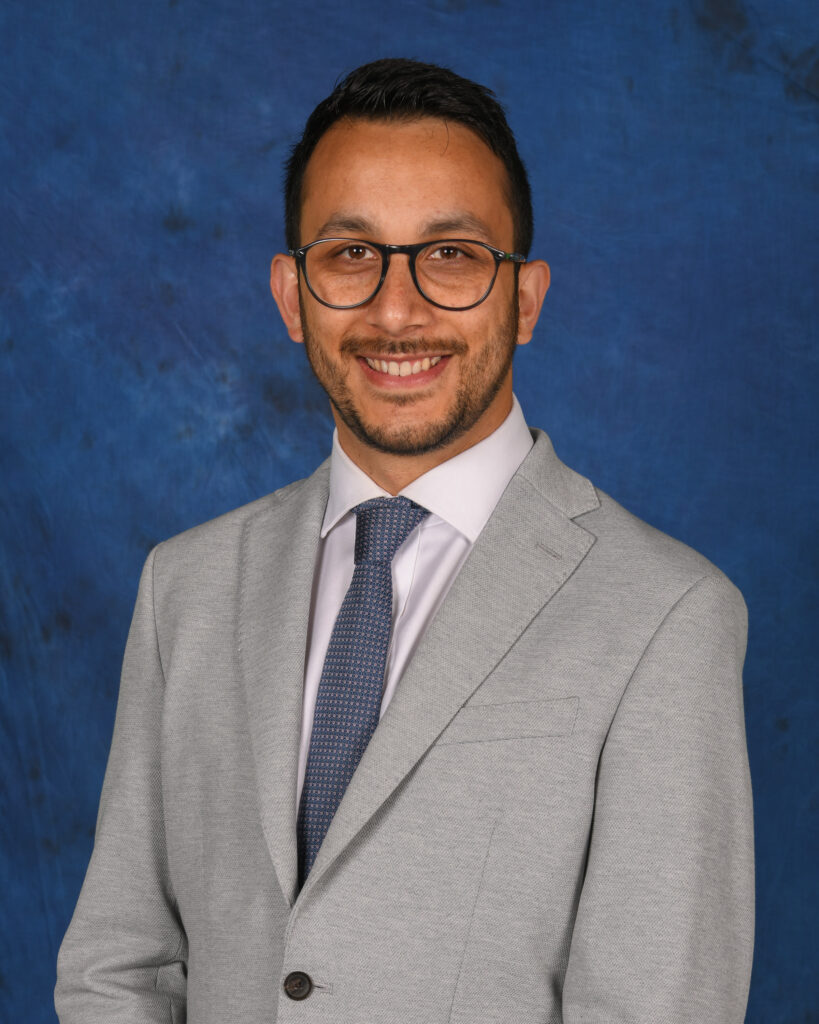
By Jimmy Paul, Head of the Scottish Violence Reduction Unit